Single-player vs. multiplayer
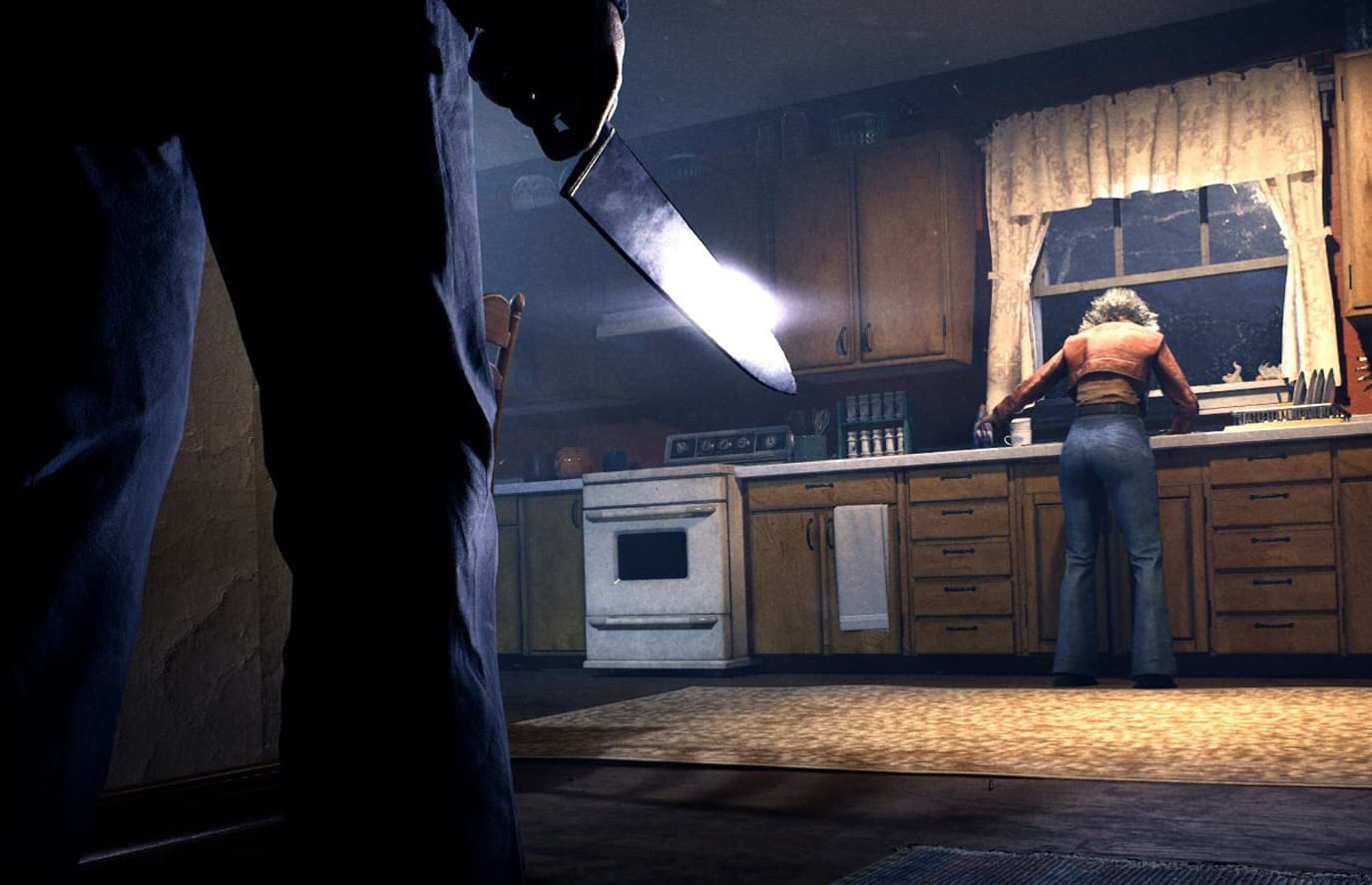
The game is built around two distinct experiences. Its single-player side tells a Haddonfield story, while multiplayer turns the setting into a replayable 1v4 horror sandbox. Current announcements describe the multiplayer systems in more detail than the campaign, so campaign specifics remain limited.
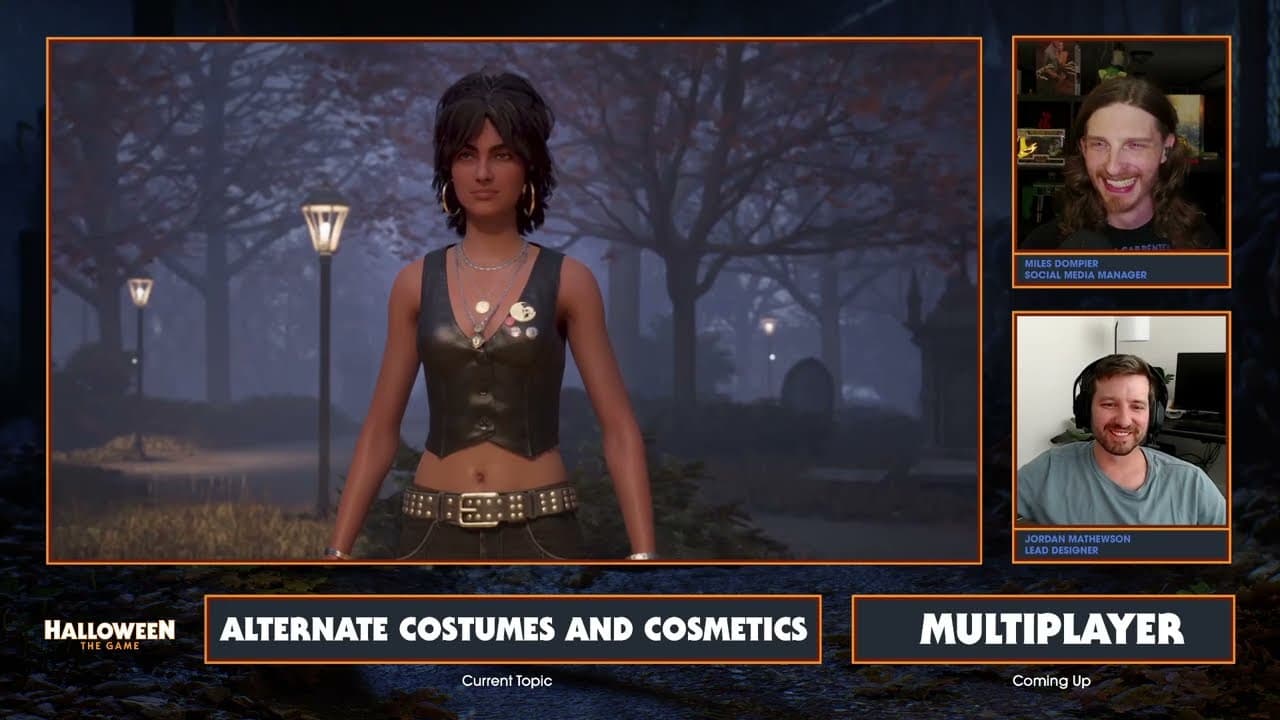
In multiplayer, one person controls Michael Myers and four people control Civilians. The match also contains non-player residents, police, loot, phones, hiding places, lights, and possible escape routes. Both sides interact with the town rather than fighting over one fixed objective marker.
The 1v4 match loop
- Michael begins hunting residents and a list of higher-value Special Targets.
- Civilians explore points of interest, locate residents, and convince them that the threat is real.
- Looted keys and tools open possible escape routes whose locations change between matches.
- Calls to police and resident cooperation increase the community response.
- The match ends around escapes, deaths, or enough resistance to detain Michael—not permanently kill him.
Michael's objective
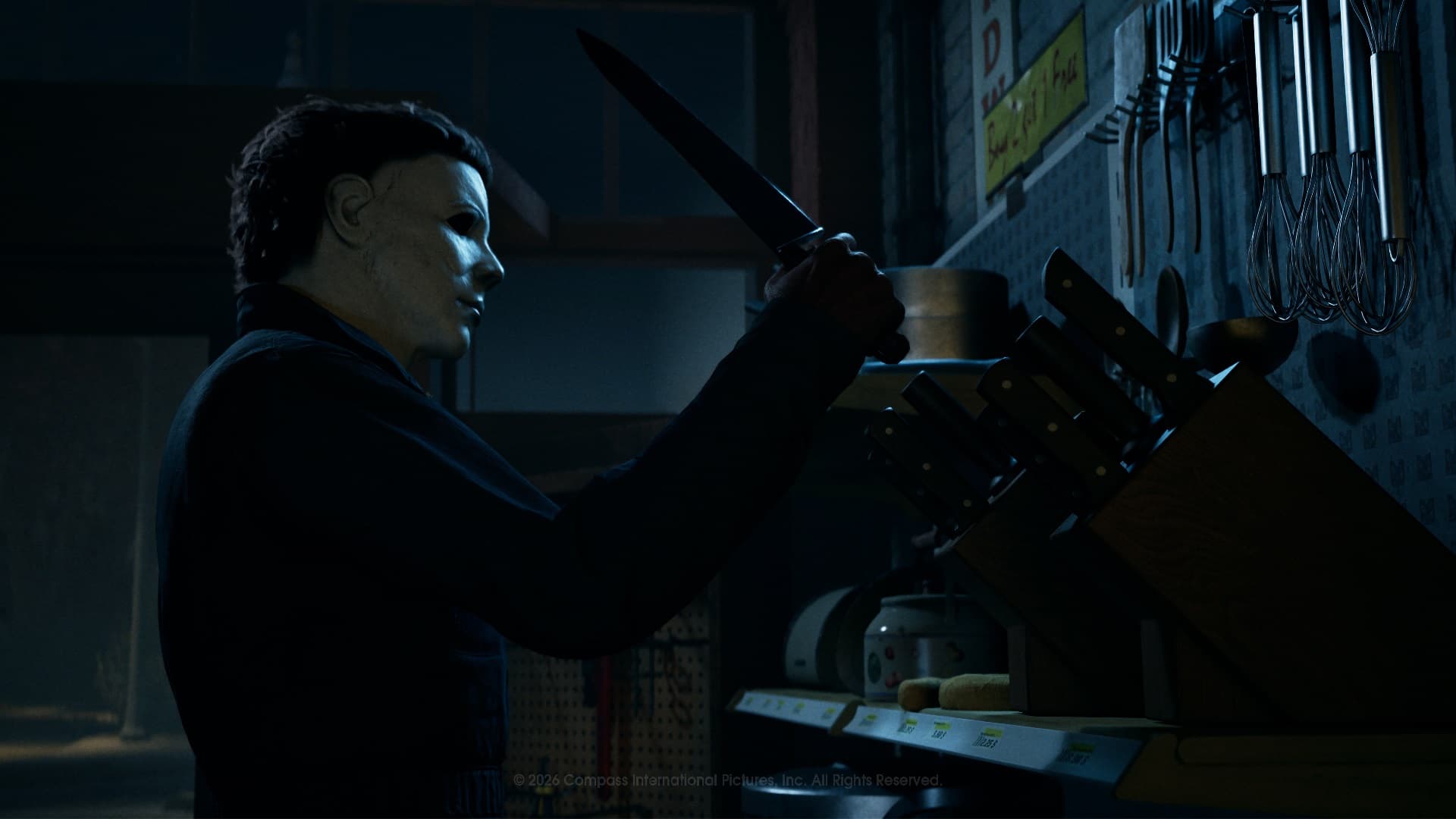
Michael wants to kill every living resident, with Special Targets offering greater rewards if eliminated before their timer expires. Killer Sense helps locate nearby prey and builds Stalk by focusing on targets. Shape Jump then lets Michael move through darkness or outside a resident's line of sight, with Shape Dash providing a burst of violent movement.
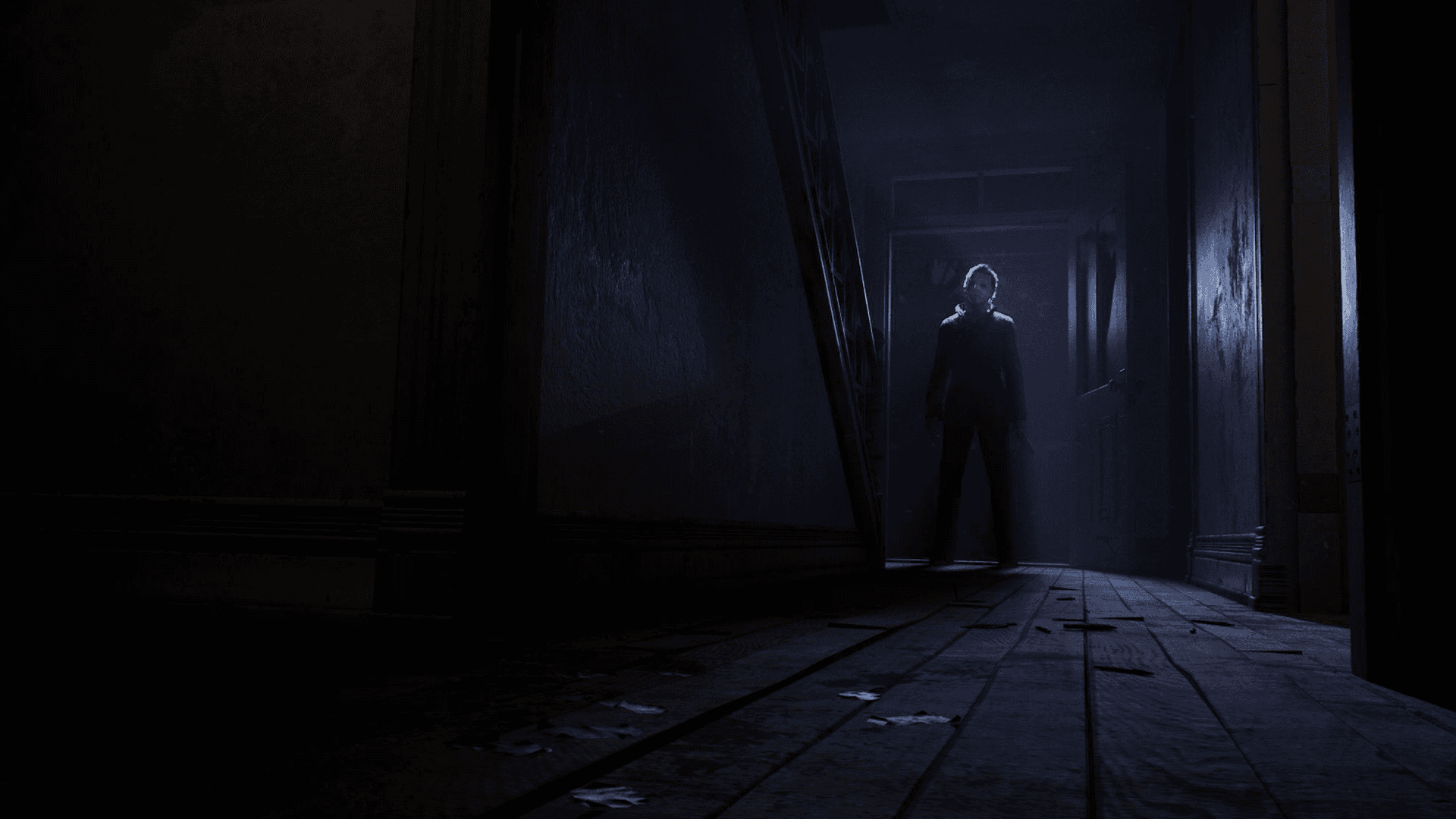
Light is part of the counterplay. Michael can shut off lights, cut power, and trigger temporary Blackouts to create the darkness his traversal needs. Civilians and responding characters can fight back, but the published rule is thematic and mechanical: the Boogeyman cannot be killed, only contained or detained.
Civilian objectives
Civilians move through homes and streets to find residents, warn them, and direct them toward safety. Successful conversations can unlock police calls, hiding instructions, or resident companionship. Containers hold weapons, distractions, and key items that enable different escape routes.
Starting an escape makes substantial noise and reveals the location to Michael. The safest route is therefore not simply the first route found; a team must weigh available items, nearby residents, lighting, and Michael's position before committing.
Randomized items and escape routes
The locations of loot and escapes change from match to match. Fixed walkthroughs will be less useful than recognizing points of interest, tracking which containers were checked, and communicating what each key item can open.
This randomization is why preview footage cannot define one guaranteed route. A route that appears consistently may be one possibility rather than the objective layout in every match.
What happens after a Civilian dies
Death does not necessarily remove a player from the match. The official overview says a dead Civilian can still support friends and may return as a Sheriff's Deputy or Dr. Loomis. Those returning roles cooperate with survivors and police to resist Michael.
The exact trigger, timing, loadout, and selection rules for those roles have not been published. Treat their existence as confirmed, but wait for the released game before planning a strategy around a guaranteed return.